Secure Pest Control for Hamilton Families
Why Hamilton Homes Need Family-Safe Pest Control
Families looking for pest control Hamilton services often want more than fast results. They want family-safe pest control that protects kids, beloved pets, and the entire home environment while still eliminating the infestation. In Hamilton, ON and across Hamilton, Ontario, homes face a mix of city, neighbourhood and escarpment-area pest pressures that make a careful, family-focused approach especially important.
Established housing stock in neighbourhoods like Durand, Westdale, and Crown Point can create more opportunities for openings, hidden nesting areas, and structural gaps that pests use to move indoors. That is why pest control with families in mind is not just about choosing a mild product. It is about Integrated Pest Management, which brings together inspection, prevention, blocking access, sanitation, and precise treatment to lower risk in a smart way.
For Hamilton families, the goal is risk reduction without unnecessary chemical exposure. A modern approach uses non-toxic and environmentally friendly measures where possible, along with carefully chosen residual products only when needed. This creates a more lighter-impact plan that supports family protection and pet-related concerns at the same time.
Safe pest management is most effective when it is proactive, targeted, and based on the specific conditions in your home rather than a generic spray.

Frequent Infestations in Hamilton and How They Enter Homes
Hamilton homes frequently experience pressure from ants, cockroaches, mice, spiders, rats, wasps, and bed bugs. Each pest behaves differently, but they all exploit food, moisture, shelter, and access routes. Understanding how they enter is the first step in a safer, more effective treatment plan.
Ants often move in through tiny cracks around foundations, windows, and utility penetrations. In kitchens, they may be drawn to dampness and crumbs, making sanitation and sealing gaps essential. Cockroaches favor warm, hidden spaces near kitchens, basements, and plumbing lines, especially where clutter and food debris encourage infestations.
Mice and rats are frequent concerns in Hamilton, particularly when colder weather pushes them toward basements, garages, and utility spaces. In mixed neighbourhoods with detached homes, laneway access, and nearby green space, these rodents can travel along foundations, fence lines, and shared structures. They enter through surprisingly small entry points, making exclusion work a critical part of any treatment plan.
Spiders usually do not cause the same kind of structural damage as rodents, but they are often a sign that other insects are present. If spiders are active in corners, utility rooms, or basement storage areas, it may indicate a broader prey source nearby. Bed bugs, meanwhile, are different from other household pests because they are typically introduced through luggage, furniture, or shared environments rather than gaps in the home.
Hamilton’s mix of urban core, escarpment areas, and suburban neighbourhoods creates different pest pressures from street to street. A downtown apartment may see more cockroach and bed bug issues, while a detached home near greener areas may have more mice, rats, and wasps. That local variation is why pest control Hamilton services should always start with a detailed inspection rather than a generic treatment.
What Makes Pest Control Safe for Children and Pets
In homes with children and pets, family-safe treatments and animal-safe treatments should be part of every standard discussion. Safety comes from a combination of product choice, application method, and when it is done. A truly family-focused approach relies on low-toxicity options, targeted application, and strict compliance with label directions and professional standards.
EPA-inspired safety principles focus on using the least hazardous method that will still solve the problem. Practically, that means focusing on precision rather than blanket coverage. A licensed pest control technician should identify where the infestation is active, where harbourage is likely, and where treatment can be placed with minimal exposure to people and pets. This is the opposite of blanket, unnecessary spraying.
Modern pet-safe products are selected and applied in ways that lower risk in the home environment. That may include bait placements inside tamper-resistant devices, crack-and-crevice applications, or physical methods that avoid unnecessary residue. When products are used, the technician should explain any re-entry guidance, drying times, and precautions for pet bowls, toys, and play areas.
Focused treatment is especially important in homes where children crawl, play on floors, or touch baseboards and corners. It also helps with household protection because it reduces the amount of product used and directs it only where pests are active. That makes the process more more restrained while still being effective against an infestation.
Safe pest management is also about the bigger picture. If the problem is caused by moisture, clutter, or structural gaps, then chemicals alone will not provide lasting control. A combination of monitoring, exclusion, and prevention lowers the chance of repeated exposure and repeated service visits.
Family-Friendly Pest Prevention Approaches That Work
Effective family-friendly pest control is built on methods that solve the pest problem while minimizing unnecessary contact with chemicals. The best plans include sealed entry points, bait stations, traps, and sanitation. These methods are part of Integrated Pest Management and perform well for many Hamilton homes.
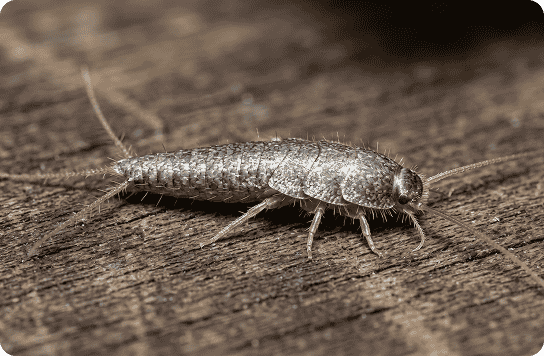
Exclusion is one of the most important strategies. Sealing gaps around pipes, vents, utility lines, foundations, and doors helps prevent pests before they enter. This is most useful in older homes, where settling, weathering, and renovations can leave hidden openings. Good exclusion lowers long-term dependence on treatments and supports more durable prevention.
Bait stations are often used for ants, cockroaches, mice, and rats because they can offer control with less widespread exposure than open baiting or broadcast spraying. Proper placement matters. A technician should place stations where pests travel, but kept clear of children and pets. This precision makes baiting a useful part of safe pest control.
Traps can also be very helpful, especially for monitoring rodent activity. Snap traps, live traps, and other controlled devices can be positioned in protected locations to catch or detect activity without creating broad residue in the home. Monitoring trap results also helps the technician refine the treatment plan over time.
Sanitation is another critical component. Removing food crumbs, wiping counters, securing garbage, and reducing clutter all minimize pest attractants. Clean kitchens, tidy storage areas, and dry utility spaces make the home less appealing and less habitable for pests. In many cases, sanitation alone will not eliminate an infestation, but it significantly improves the success of every other method.
For families, the best results come from a layered approach: remove attractants, seal access, monitor activity, and apply targeted control only where needed. That is how low-risk methods become high-value solutions.
What to Expect from a Professional Pest Inspection in Hamilton
A expert pest inspection in Hamilton should be detailed, helpful, and focused on the conditions throughout and surrounding the home. A proper inspection is not just a fast look around the kitchen. It is a systematic evaluation that identifies signs of activity, the likely pest species, and the root causes of the problem. That creates a more efficient inspection and treatment plan.
During the visit, a licensed pest control technician should look for droppings, gnaw marks, grease trails, nesting material, moisture problems, damaged screens, and hidden access routes. The technician may also examine basements, crawl spaces, attics, garages, and mechanical rooms because these are common places for pests to hide. In Hamilton, older homes in particular often need careful attention around foundation transitions, utility entries, and aging exterior seals.
After the inspection, the technician should outline the infestation clearly and present the treatment options. The best treatment plan will match the pest, the severity of the issue, and the safety needs of the household. It may include bait stations, traps, exclusion work, sanitation recommendations, and a limited use of residual products if appropriate.
Follow-up service is also essential. Pest control is rarely complete after a single appointment, especially for rodents, cockroaches, or bed bugs. Follow-up monitoring helps verify whether activity is declining and whether additional adjustments are needed. This ongoing attention backs compliance with the original plan and boosts long-term results.
Families should raise concerns during the inspection, especially about re-entry times, product placement, and what to do with pets and children before and after treatment. A reliable provider will answer plainly and make safety feel simple rather than confusing.
Annual Pest Concerns in Hamilton, ON
Seasonal changes influence pest activity across Hamilton, ON. Regional weather patterns, proximity to Lake Ontario, and neighbourhood layout all affect when pests become more active indoors. For families, understanding these seasonal shifts aids with preventive planning and timelier intervention.
Spring pests become more noticeable as temperatures rise and insects emerge from winter hiding spots. Ants begin foraging, spiders move around more visibly, and some overwintering pests become active again. Spring is a good time to inspect entry points, refresh sanitation routines, and address any moisture issues left over from winter.
In the warm, humid months near Lake Ontario, summer wasps are a major concern. Their nests can appear under eaves, in rooflines, on sheds, or in landscaped areas around suburban homes. Humid conditions can also increase indoor pest activity because moisture provides favourable conditions for insects and rodents alike.
As temperatures cool, fall rodents grow more likely to move inside. Hamilton’s cold winters often drive mice and rats into basements, garages, storage rooms, https://sites.google.com/view/pest-control-hamilton-ontario/ and utility spaces where warmth and shelter are easier to find. This is the season when exclusion becomes especially important, since small openings can quickly turn into active routes indoors.
Mosquito Man Hamilton62 First Rd W, Hamilton, ON L8J 3R2, Canada
+1 289-408-9573
https://maps.app.goo.gl/47W3PJ15EnQopiUf6
https://sites.google.com/view/pest-control-hamilton-ontario/
43.1795221, -79.7846013
Winter infestations are often about survival. Rodents may remain active behind walls or near heating systems, while cockroaches and bed bugs continue indoors if conditions allow. Because winter can make outdoor pests less visible, families sometimes overlook signs until the activity becomes more established. That is why year-round monitoring matters.
In Hamilton’s mix of dense neighbourhoods, escarpment-adjacent areas, and detached suburban homes, pest pressure changes from block to block. A home near wooded edges may see different seasonal threats than a downtown property or a newer subdivision. Local experience matters when building a safe and timely response.
Prevention Guidelines for Hamilton Families
The most effective long-term pest plan is preventive. Families can reduce the risk of infestation by keeping the home less appealing and harder to access. Smart prevention starts with food storage. Keep pantry items airtight, avoid leaving pet food out overnight, and clean up spills quickly. Simple habits like these lower the chances of attracting ants, cockroaches, and rodents.
Moisture control is just as important. Leaky faucets, damp basement walls, condensation around pipes, and poor ventilation all support pest activity. Since many pests seek water and shelter, fixing leaks and using dehumidifiers where needed can make a big difference. In Hamilton homes, especially older ones, moisture issues often go hand in hand with structural vulnerability.
Basement maintenance should be a consistent priority. Keep storage off the floor, check for signs of droppings or nesting, and inspect around utility lines, window wells, and foundation joints. Basements are common hiding spots for mice, rats, and spiders, and they often reveal early signs before the problem spreads into living areas.
Yard cleanup also supports indoor pest prevention. Trim back vegetation, remove debris piles, store firewood away from the house, and keep garbage bins sealed. Exterior clutter can create pest shelter close to the structure, making it easier for pests to move toward entry points. Good yard habits are a easy but useful deterrent.
Families can also boost results by keeping a record of pest sightings, noting where activity appears, and reporting recurring issues quickly. Monitoring helps identify patterns and prevents small problems from becoming larger infestations.
Selecting the Right Pest Control Company in Hamilton
Choosing a local pest control company matters because local experience enhances diagnosis, treatment, and prevention advice. A provider familiar with Hamilton’s housing stock, weather patterns, and neighbourhood differences is more likely to suggest practical solutions that fit the home and the family.
Find a company that clearly discusses family-safe practices. They should be willing to explain product choices, placement methods, and steps to reduce pet exposure and child contact. The provider should also include a written service guarantee or simple explanation of what happens if activity continues after treatment.
Transparent pricing is another sign of professionalism. Families should know what is included in the inspection, what the treatment plan covers, whether follow-up visits are part of the service, and whether extra work such as exclusion or monitoring is charged separately. Clear pricing avoids confusion and helps households compare services fairly.
A strong provider will not oversell aggressive chemicals as the only solution. Instead, they will emphasize Integrated Pest Management, exclusion, sanitation, targeted control, and follow-up monitoring. This approach reflects both better science and better family protection.
When evaluating a company, ask how they handle pests like ants, cockroaches, mice, rats, wasps, spiders, and bed bugs. A thoughtful answer should include inspection, treatment, prevention, and safety. That is the standard families should expect from pest control Hamilton providers serving homes across the city.
Common Questions About Safe Pest Control
Is pest control safe for children and pets?
Yes, when the company uses safe pest control methods correctly. The safest services rely on child-safe treatments, pet-safe treatments, low-toxicity treatments, and targeted application rather than broad spraying. Request clear instructions about re-entry, drying time, and any areas that should stay off-limits. A good provider will explain how they reduce risk in the home environment and protect against unnecessary pet exposure.
What pests are most frequently seen in Hamilton homes?
Common pests in Hamilton include ant infestations, cockroach infestations, mice, rats, yellowjackets, house spiders, and bedbug infestations. Established homes may be at greater risk because of cracks, renovations, or aging materials, while warm humid summers and freezing winters can shift which pests are most active. The exact pest pressure depends on the neighbourhood, the home’s condition, and nearby environmental factors.
How should I prepare my home before pest treatment?
Preparation depends on the pest and the treatment plan, but common steps include cleaning food areas, pulling items back from baseboards, putting away pet bowls and toys, and decluttering where pests hide. Your technician may also ask you to access certain rooms, unlatch cupboards, or empty basement corners. These preparation steps help with targeted treatment, monitoring, and better results.
How long do I need to stay out of the house after treatment?
That depends on the materials and approaches used. Some minimal-impact and safer approaches may allow earlier access, while other treatments require a longer wait for safety and compliance reasons. Your licensed pest control technician should give specific instructions based on the treatment plan and the areas treated. Never re-enter early unless the professional says it is safe.
What is the most effective long-term pest prevention method?
The most effective long-term method is a combination of Integrated Pest Management, exclusion, sanitation, moisture control, and follow-up monitoring. Sealing entry points, reducing food and water access, and doing routine inspections create the most reliable barrier. For Hamilton families, that combined approach is usually better than relying on repeated treatments alone.